Monday, 10 February 2014

Essential Oils & The Lymphatic System


According to Battaglia, aromatherapy can help with some of the problems associated with the lymphatic system. Essential oils with diuretic, alterative, circulatory stimulant, bactericidal, antifungal and antiviral properties are most suitable.

What is the lymphatic system?
The lymphatic system is a network of superficial and deep vessels and can be found in all parts of the body except for the spinal column, brain, bone marrow and cartilage. The lymph capillaries, vessels, and and larger ducts transport the lymph and the lymph nodes are the filtering devices. The thymus, tonsils and the spleen are lymphatic organs and the breasts are mostly made up of lymphatic vessels and glands.

What's the function of the lymphatic system?
The lymphatic system has three major functions in the body:

  • aid in providing immunological defenses
  • draining excess fluids from the body cells
  • absorbing and distributing fat soluble nutrients.

When it is not working well
Sometimes our lymphatic system is not working well and this condition is called congestion. The lymph is filled with waste products that has passed through the lymph nodes. It is the liver's responsibility to neutralize and eliminate a large number of toxins. Unfortunately, when the liver and the lymph nodes are unable to cope with the toxins, the toxins can leak through the mucous membranes and other emergency elimination sites. This leaking is commonly known as catarrh or inflammation of the mucous membranes.

Vital to life
Just because the lymph system is like a sewage system doesn't mean it is not vital to life, you see, when this system fails to function properly, excess toxins and fluid will build up in the body causing pain, infection, loss of energy and various diseases.

Okay, so let's talk about the essential oils.

Diuretics
According to Battaglia, diuretic essential oils are often used in conditions where water is retained in the body. Battaglia says the following oils have diuretic properties, which means they accelerate the detoxification process by stimulating kidneys.

~Grapefruit, fennel, lemon, juniper, cypress, tangerine, orange, and mandarin. Caution, excessive use of juniper has been known to cause kidney irritation.

Increasing leucocytosis
According to Battaglia, the following oils will increase the body's ability to make white blood cells:
~Lavender, rosemary, lemon, thyme and tea tree.

Blood cleansers, alteratives, detoxifiers or depuratives
According to Battaglia, most essential oils will stimulate phagocytosis, which means the ability of the white blood cells to ingest and clean up toxins and microbes. Battaglia refers to Mills, who says that by improving the functions of the eliminatory channels in the body the tissues may be cleansed. The remedies capable of doing so are referred to as blood cleansers, alteratives  or depuratives. Battaglia lists the following oils as being alteratives, depuratives, blood cleanser or detoxifiers:
~ German and Roman Chamomile, sweet fennel, rosemary, lemon, lavender, geranium, juniper and angelica.

Stimulating lymph and tissue fluid circulation
Battaglia says essential oils such as grapefruit, juniper berry, orange, cold pressed lime, rosemary, peppermint and tangerine will stimulate the tissue and lymph fluid circulation.

Anti-fungal, antiviral and bactericidal
According to Battaglia, Jean Valnet lists these oils as being very useful:
~ Clove, niaouli, eucalyptus, thyme, lemon, cinnamon, sandalwood, lavender, peppermint and German chamomile as being very useful.

Circulatory stimulants
By stimulating the circulatory system you stimulate the flow of lymph. Battaglia says black pepper, rosemary or ginger may be used in a lymphatic massage blend.

The Essential Oils Desk Reference also lists myrtle, lemongrass and hyssop as essential oils that aid in detoxifying and stimulating the lymphatic system. The Reference Guide also lists ledum, Ledum groenlandicum, as being useful for inflamed lymph nodes. 


Before you leave:

I recommend that you always perform a skin patch test when you try a new oil.


Check out my safety page to make sure you are aware of any contrindications before you use essential oils. Some oils are not suitable when suffering from certain conditions. AlsoRead this Before You Start Using Essential oils. Some oils should not be applied prior to sun exposure so make sure you check this list before spending time in the sun.

Not sure how to apply the oils? Visit these pages to learn how to apply the oils:
If you're new to essential oils you might want to check out my Getting Started Guide. 

Wildcrafting Wednesday Featured Blogger Award
------------------------------------------------------------------------------------------------------------

Johanna is an aromatherapist and she is passionate about educating people about health, essential oils, real food, natural remedies, and nutrition so they make healthier choices in their lives. 
Follow Johanna on twitter and facebook for more health tips and information.


Source:
Connie and Alan Higley, (Twelfth Edition, revised 2010). Reference Guide for Essential Oils. Abundant Health
The Essential Oils Desk Reference. (Fifth edition 2011). Life Science Publishing
Salvatore Battaglia (1995). The Complete Guide to Aromatherapy. The Perfect Potion Pty Ltd


This post is linked to:
Wildcrafting Wednesday


What Do Olympic Athletes Eat to Compete at Sochi?

Source:  TeamUSA
All Olympic athletes, whether they are competing in alpine skiing, the luge, figure stating, or curling, know that the food and nutrition consumed during training and competition are key factors in helping them bring home the gold.

“Training diets are usually higher in calories, protein, vitamins, and minerals than competition diets. This is because the athlete is working harder during training, often two to three times a day at high-intensities, building both strength and power,” claims Chris Rosenbloom, PhD, RDN, who worked with athletes at the Atlanta Olympic Games and is the editor of Sports Nutrition: A Practice Manual for Professionals.  “Proper fueling during training supports the adaptations to muscles, blood, and lungs by providing key nutrients at the right time.”  

According to the US Olympic Committee Sport Performance Division, consuming a diet rich in antioxidants such as fruits, vegetables, and grains is also important to fortify the athletes’ immune system prior to traveling and competition.   Since athletes fuel their bodies and stay hydrated with foods and beverages that are familiar to them,TeamUSA also sent sports dietitians to Sochi prior to the competition.  Their job was  to assess the availability and safety of the foods that are being served to the athletes in the Olympic Village. 

So what do these athletes eat to compete? “Since Olympians come in all shapes and sizes and have different goals, they do not all have the same requirements for nutrition.  A figure skater trying to maintain a lean physique may consume 1,800 to 2,000 calories daily whereas a cross-country skier with a huge energy expenditure may consume over 4,000 calories per day,” states United States Olympic Committee Sports Dietitian, Jennifer Gibson.  “It differs from athlete to athlete, but typically they eat four to six meals per day, evenly spaced out, and no more than four hours apart.    The fiber is typically reduced in the athlete’s diet to avoid any upset stomachs or other intestinal unpleasantness, according to Rosenbloom. “No athlete wants to go into competition feeling gassy or bloated.”

Since post training recovery snacks are also important, here are Gibson’s top 5 easy, portable, and tasty snacks for athletes:

1.            Chocolate milk or soy milk + banana + water
2.            Chobani Greek yogurt+ apple + water
3.            A shake with fruit + protein + water
4.            High protein cereals like Mini Wheats or Kashi + milk or soymilk + water
5.            A chicken, turkey, or tuna sandwich + fruit + water

Be well, Joan

Follow Joan on Twitter at:  joansalgeblake

Thursday, 6 February 2014

Coipaba (Copal) ~ Copaifera reticulata


Coipaba, Copaifera reticulata/langsdorfii originates in Brazil and it is part of the Caesalpiniaceae family. Coipaba is well known for its anti-inflammatory properties. "Copal" is derived from the Spanish word for incense, copelli, and any number of resinous gums or exudates from threes in Malaysia and South America are known as "Copal". According to the Essential Oils Desk Reference, the Brazilian copaiba has the most published research on its anti-inflammatory effects.

Historical Uses
According to the Essential Oils Desk Reference, the healers in the Amazon use resin for all kinds of pain and inflammatory disorders. In Peru 2-3 drops of resin is mixed with honey and used as remedy for sore throat. In the Brazilian and Peruvian herbal medicine system it is listed as and antiseptic and anti-inflammatory for the urinary tract, and it is used in the treatment of bronchitis, tetanus, and tuberculosis.

The Reference Guide states that copaiba has historically been used for stomach ulcers, tumors, incontinence, syphilis, bleeding, hemorrhages and pleurisy. According to the guide, it has been verified by modern research.

Fragrance Influences
The Reference Guide for Essential Oils states that the aroma of copaiba lifts depression and helps elevate mood as well as to help combat stress problems, nervous tension and anxiety. 

Properties
Coipaba has antiseptic, anti-inflammatory (powerful), mycolytic and antiulcer  properties according to the Essential Oils Desk Reference. The Reference Guide for Essential Oils also mentions that copaiba is a stimulant for the circulatory and the pulmonary system.

EODR states that copaiba can be used for pain relief since it is a strong anti-inflammatory and it can also be used for insect bites, arthritis, skin disorder, rheumatism, stomach distress, sore throat and urinary disorders. 
The Reference Guide for Essential Oils says that it may also help with constipation, edema, dyspepsia, flu, flatulence, bacterial infections, wounds, stiffness, colds and diarrhea.


Before you leave:

I recommend that you always perform a skin patch test when you try a new oil.


Check out my safety page to make sure you are aware of any contrindications before you use essential oils. Some oils are not suitable when suffering from certain conditions. AlsoRead this Before You Start Using Essential oils. Some oils should not be applied prior to sun exposure so make sure you check this list before spending time in the sun.

Not sure how to apply the oils? Visit these pages to learn how to apply the oils:
If you're new to essential oils you might want to check out my Getting Started Guide. 

------------------------------------------------------------------------------------------------------------

Johanna is an aromatherapist and she is passionate about educating people about health, essential oils, real food, natural remedies, and nutrition so they make healthier choices in their lives. 
Follow Johanna on twitter and facebook for more health tips and information.


Source:

Connie and Alan Higley, (Twelfth Edition, revised 2010). Reference Guide for Essential Oils. Abundant Health
The Essential Oils Desk Reference. (Fifth edition 2011). Life Science Publishing

Wednesday, 5 February 2014

Did the Biggest Loser Really Have a Winner?

The Twittersphere has been abuzz over the results of NBC’s finale of the television show, The Biggest Loser.   Rachel Frederickson, a 24-year-old who started the weight loss contest at 260 pounds, was crowned the winner by losing about 60 percent of her body weight and weighing in at a very lean 105 pounds.  The concern among some viewers is that Rachel went too far and lost too much weight. 

Click on the video below to view her beginning and ending weight.


According to E! Online, Rachel is 5’4 inches, which makes her current body mass index (BMI) - a calculation of your weight in relationship to your height - fall into the underweight category.  Did she win at the cost of her health?

According to Jan Hangen, RD, a Clinical Nutrition Specialist in the Sports Medicine Division at Boston Children's Hospital, “I worry about individuals who lose such a tremendous amount of weight in a very short amount of time.  They had to have been on a very low calorie diet and will need to remain on such a diet to preserve the weight loss.”   Individuals who chronically consume a very low calorie diet are at risk for not meeting their nutrient needs.  Will she be able to healthfully sustain this weight loss once the television lights dim?

Hangen is also concerned about the message that this dramatic, rapid weight loss sends to the public, especially teenagers and young adults.  “Often times, the public feels as though they have failed for not being able to measure up to what they see on television and turn to disordered eating to lose the weight.”

Did The Biggest Loser really produce a winner?

Be well, Joan

Follow Joan on Twitter at: joansalgeblake


Steam Inhalation for Dry and Moist Cough


Here is a steam inhalation that historically been used  for both dry and moist coughs. 
Use a facial steamer or put hot water in a bowl of water, 
add 1 drop Cedarwood, 1 drop eucalyptus and 1 drop hyssop. 
Hold the head 8 inches from the bowl with a towel over head to form a tent, and inhale. You want to make sure that you inhale slowly and deeply with your eyes closed.

According to Valeri Cooksley, R.N, cypress, juniper, frankincense, lavender, myrrh, peppermint and sandalwood are other oils that are useful for coughs. 


Before you leave:

I recommend that you always perform a skin patch test when you try a new oil.


Check out my safety page to make sure you are aware of any contrindications before you use essential oils. Some oils are not suitable when suffering from certain conditions. AlsoRead this Before You Start Using Essential oils. Some oils should not be applied prior to sun exposure so make sure you check this list before spending time in the sun.

Not sure how to apply the oils? Visit these pages to learn how to apply the oils:
If you're new to essential oils you might want to check out my Getting Started Guide. 


------------------------------------------------------------------------------------------------------------

Johanna is an aromatherapist and she is passionate about educating people about health, essential oils, real food, natural remedies, and nutrition so they make healthier choices in their lives.

Follow Johanna on twitter and facebook for more health tips and information.


Source:

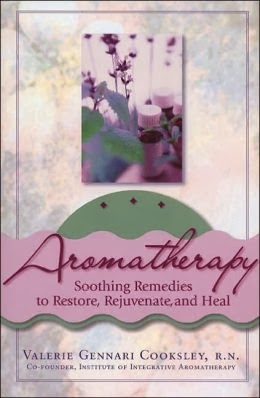
Valeri Gennari Cooksley, R.N (2002). Aromatherapy: soothing remedies to restore, rejuvenate,and heal. Prentice Hall Press

This post is linked to:
Wildcrafting Wednesday

Tuesday, 4 February 2014

Why YOU Should Be On The DASH Diet

Photo Source: NIH
If the nutrition community held the Academy Awards for Healthy Eating Plans, as judged by the latest U.S. News and World Report rankings,  the televised award ceremony would unfold something like this:

Dr. Oz and the President of the Academy of Nutrition and Dietetics approach the podium.  Jointly they say, “May I have the envelope, please?”

“Ladies and gentlemen, the Oscar for the Best Overall Diet to follow goes to…”

The DASH Diet. 

Next envelope, please….

"The Oscar for the Best Diabetes Diet to follow goes to…"

The DASH Diet. 

"The Oscar for the overall Best Diet for Healthy Eating to follow goes to…"

The DASH Diet.

The Dietary Approaches to Stop Hypertension (DASH) Diet is a runaway winner.

Research has shown that the diet  is a flexible, affordable, and balanced eating plan that can help the 1 out of 3 Americans who currently have high blood pressure,  to lower it just by eating healthy foods that you can get at your local supermarket.  There are no pills and no gimmicks.  The diet was developed by a team of medical researchers who were funded by the National Institutes of Health (NIH).

This is extremely good news as a new study published in the Journal of the American Medical Association (JAMA) has uncovered that the earlier you manage your blood pressure in life, the better chance you have for reducing your risk of heart disease decades later.  Click on the video to learn more. 


Because the DASH Diet is rich in fruits, vegetables, whole grains, low fat dairy, nuts and beans and is lower in lean protein foods, sodium, and added sugars, the diet can also be beneficial for those who are trying to better manage their weight, blood glucose and cholesterol levels, and lower their risk for heart disease.

There are three steps to the DASH Diet:

1.    Estimate your calorie needs daily
2.    Figure out how many servings from each food group you should be consuming daily to
       healthfully meet your needs.
3.    Logically spread this food intake, in their appropriate portions, throughout the day to fuel your
       body and health. 
 
Click here to find out more about these steps  and how to follow the DASH Diet.  As always, check with your health care provider before changing your diet to make sure it is appropriate for you.

Be well, Joan

If you have topic you would like me to cover on my blog, please email me at: salge@bu.edu

                                              Follow Joan on Twitter at: joansalgeblake

Monday, 3 February 2014

My Favorite Aromatherapy Books

I get a lot questions from people asking me what my favorite aromatherapy books are. I've read quite a a lot of books throughout the years and some are better than others. Once you learn more about essential oils you realize that many books have a lot of the same information.

Here we go:


My absolute favorite book is The Complete Guide to Aromatherapy by Salvatore Battaglia. It was a required textbook in my 12 month aromatherapy education at the American College of Healthcare Sciences, and I'm pleased to see that they still use the book. This book has been a great help in my consulting and blogging. I also like it because Battaglia also addresses dietary and lifestyle changes for each health condition. I purchased the first edition through my college and I purchased the second edition in a health food store in Wales, UK. It is quite an expensive book and it cost $ 110.00 on Amazon but you can buy it from my college store for $ 90.75. I highly recommend this book and it has so much information in it that you really don't need many other books. This is what it says about it in the Apothecary Shoppe:

"An indispensable book for everyone who wants to be extensively familiarized in the art and science of Aromatherapy. The Complete Guide to Aromatherapy is written in a clear, concise and well-presented format, with the student, professional Aromatherapist, pharmacist, nurse, doctor and lay-person in mind. Information contained within the 467 pages is quickly accessed through two comprehensive indexes, 29 well-defined chapters, and an array of appendices. This is the most recent edition with five new chapters.
Over 90 Essential oils are covered in detail as well as detailed information on the treatment of a wide range of conditions. Also included is some of the latest research on the psychological effects of Essential Oils and the implications for present day Aromatherapy."
---------------------------------------------------------------------------------------------------------

Another favorite book of mine is Aromatherapy - Soothing Remedies to Restore, Rejuvenate, and Heal by Valeri Gennari Cooksley, R.N. I really enjoy this book, Cooksley shares some great recipes and information in this book and I've used it so much so the book has fallen apart. You can purchase this book used for about 12 dollars on Amazon or for $ 49.95 from Barnes and Nobles. This is what it says about the book on Amazon:
"Science has now confirmed what has been known since the time of the Caesars: essential oils have healing properties for a wide variety of physical and emotional conditions. In fact, essential oils have been considered among the most therapeutic and rejuvenating of all botanical extracts.
This step-by-step guide demystifies the herbal healing art, and provides all the tools and techniques necessary to prepare and use the curative power of essential oils to relieve illness and restore youth and vitality -- without the use of drugs or other invasive health treatments. Chapters cover how to buy and make essential oils; how to use them to attain ultimate calm and relaxation; soothing, proven treatments for more than 100 health conditions; dozens of special blends and recipes developed by the author for a variety of ills; true case studies of healing success; plus a complete reference to the more than 100 aromatics and blends and their healing abilities."
---------------------------------------------------------------------------------------------------------------------------------

I always enjoy Valeri Ann Worwood's books and most of her books are available on kindle. The Complete Book of Essential Oils and Aromatherapy was the first book I purchased and it is a great book to look up quick information. This is what Amazon says about this book:

"A necessary resource for anyone interested in alternative approaches to healing, this book contains more than 600 easy-to-follow recipes for essential oil treatments and aromatherapy."
-----------------------------------------------------------------------------------------------------------

Aromatherapy for the Healthy Child is another book by Worwood and it is a must have book for parents. It is also available for kindle for only $ 9.99. This is what it says about this book on Amazon:
"This reference shows how essential oils can help parents raise healthier, happier children. Chapters cover every age from newborn to teen with aromatherapy remedies for typical problems--from diaper rash to bedwetting to asthma. The book features information for pregnant mothers and physically challenged children and appendices with reference charts, safety data, and supplier information. This is a valuable book for every concerned parent."
----------------------------------------------------------------------------------------------------------------------------------

The Fragrant Mind: Aromatherapy for the Personality, Mind, Mood and Emotion and Aromatherapy for the Soul: Healing the Spirit with Fragrance and Essential Oils  are two other books by Worwood that I own. 


This is what Amazon says about them:


"Written in an accessible style and aimed at aromatherapists, practitioners of alternative medicine, and anyone wishing to use aromatherapy to maintain a peaceful equilibrium or bring about positive change, this book concentrates on the mood-changing effects of natural oils. "A good addition to alternative medicine collections."--Library Journal.
----------------------------------------------------------------------------------------------------------------------------------


"Fragrances, with their intriguing ability to evoke emotions, memories, and visions, have played an important role in the world’s spiritual traditions since the dawn of time. Drawn from the essential oils of plants, they serve as an earthly connection with the Divine. In her fascinating book, renowned aromatherapist Valerie Ann Worwood breaks new ground with an in-depth study of the use of fragrance in spirituality. Drawing on the pioneering research of eminent scientists and the insights of leading spiritual teachers, she provides exhaustive guidelines detailing how fragrance can be used in many spiritual practices, from Shinto and Buddhism to Native American rites. Extensive charts, exercises, and formulas demonstrate the use of aroma in healing, prayer, and meditation and in conjunction with vibrational and energetic healing. Covering more than 70 essential oils, this extraordinary guide helps readers call upon the divine power of fragrance to enrich their own spiritual journeys."

I also like Kurt Schnaubelt's books but some of them may be little too intense for someone new at aromatherapy.


I also have many other books but the books mentioned above are the ones I like the most and are used very often. Do you have a favorite book that I didn't mention?

--------------------------------------------------------------------------------------------------------

Johanna is an aromatherapist and she is passionate about educating people about health, essential oils, real food, natural remedies, and nutrition so they make healthier choices in their lives. 
Follow Johanna on twitter and facebook for more health tips and information.


This post is linked to:
Wildcrafting Wednesday